Latest
-
Footless baby grows
Footless baby grows compared with footed ones: fit, growth room, socks and layering, and which style suits newborns, crawlers and different seasons.
Popular
What a baby grow is
A baby grow is a one-piece garment that joins a top to coverings for the legs, often with the feet enclosed. Its joined shape makes it a complete outfit rather than separate tops and bottoms. Names differ between British and American shops, although the garments are similar. The cut and construction determine how the garment sits on a small body and how freely a baby can move.
Baby grow, babygrow and sleepsuit
In UK usage, “baby grow”, “babygrow” and “sleepsuit” name the same all-in-one garment. The spelling may appear as two words or one, and sleepsuit is also common on product labels. In the US, a similar item is called a “sleeper” or “footed pyjamas”. These names describe a garment with a body, sleeves and legs joined together; many designs also cover the feet.
A baby grow is not the same as a bodysuit, often called a vest in Britain. A bodysuit is a short top that fastens under the crotch, leaving the legs bare, so it is usually worn with separate bottoms. A baby grow continues down the legs and forms a complete one-piece outfit. The difference is useful when shopping, since a pack labelled bodysuits will not contain the same garment as a pack of sleepsuits.
Babies commonly wear baby grows from birth, and many ranges include newborn and early-infant options. The garment remains common through the first years, with some ranges continuing into toddler sizes around two or three years; age labels vary between brands and are not a precise measure of fit. It can serve as an everyday base layer or as a complete outfit, so a small wardrobe can use the same basic garment for several parts of a baby’s routine.
For many families, baby grows are a practical starting point because one joined garment provides both a top and leg covering.
How a baby grow is made
Most baby grows are assembled from knitted fabric panels, with the shape and finish designed to accommodate a baby’s curled posture and frequent movement. Common details include:
- Knitted cotton: Cotton jersey or interlock forms a soft, flexible body; the knitted loops give the garment natural give as a baby bends and stretches.
- Stretch content: Some fabrics include a small amount of elastane, helping sleeves and body panels recover their shape after repeated movement and laundering.
- Flat seams: Seams joined with a low-profile finish create less raised bulk against the body, which can make lying on the back or being carried more comfortable.
- Shaped panels: A curved body and room around the seat allow space for a nappy, while joined leg sections let the garment move with kicking legs.
- Finished cuffs: Ribbed or turned-back cuffs secure sleeve and leg openings; a flexible edge can sit close without making the garment feel rigid during movement.
- Fold-over mitts: Some newborn sizes have fabric extensions at the sleeve ends that fold over the hands, creating a built-in cover without a separate mitt.
Newborn versions may have a simpler shape and include fold-over mitts, while larger versions commonly omit those extensions. Across sizes, the balance between room for movement and a close-fitting outline comes from the stretch of the knit, the shaping of the panels and the placement of seams. Details vary by garment, but these construction choices help make a baby grow comfortable for lying, being held and moving arms and legs.
When babies wear them
Babies can wear baby grows during the day and at night, from the newborn stage through toddlerhood if the garment still fits. During the day, one may be used as a simple outfit at home, for a visit or while travelling in a pushchair. At bedtime, the same joined shape works as sleepwear, which is why shops often use the name sleepsuit.
The garment suits both parts of the day because its top and leg coverings stay together when a baby is lifted, cuddled or moved between activities. You do not need to treat it as a night-only item: the choice depends on the occasion, the baby’s comfort and the clothing needed for the day. A few baby grows therefore make a useful foundation for a baby’s wardrobe, providing a straightforward outfit for waking hours as well as bedtime.
Poppers, zips and other fastenings
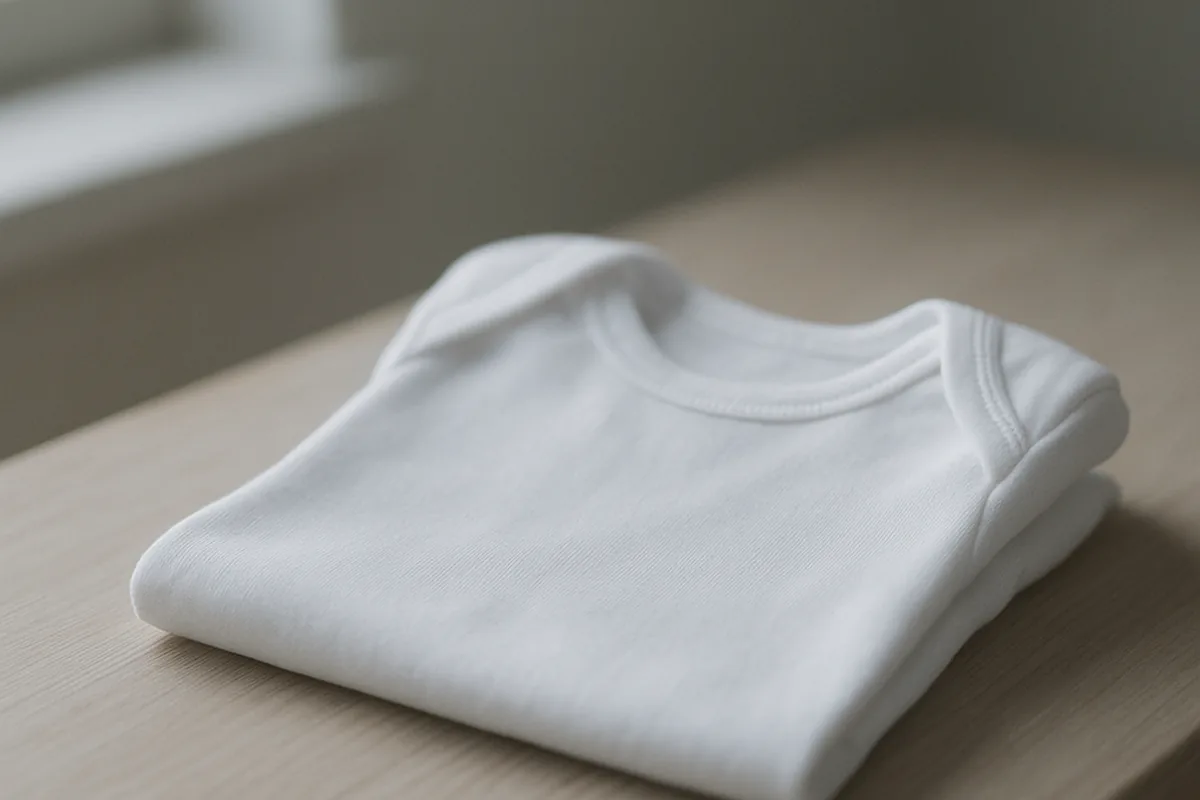
The fastening changes how a baby grow opens for dressing and nappy changes. Poppers, zips and envelope necklines each work differently, so the best option depends on the opening you need and how easily your baby stays still. Some designs combine a neckline style with poppers or a zip rather than using it as the main closure. Check where the fastening ends and whether any fabric sits between it and your baby’s chin. Fold-over mitts are another feature on some newborn garments, separate from the main fastening.
Poppers
Poppers are small press-stud fasteners set along the opening of a baby grow. Depending on the design, they may run down the centre front, along one or both legs, or from the neck to the feet. When the opening continues between the legs, you can undo just the lower part for a nappy change while keeping the chest and arms covered.
For a garment with a row of poppers, start at the ankle and work upwards when fastening it. This gives you a consistent order to follow and helps prevent mismatching the two sides, which can leave the fabric twisted or make the next popper difficult to close. If a stud does not meet its partner easily, check the alignment instead of pulling the fabric tight.
Poppers allow you to open only the area needed, which can be useful when you want to change a nappy without taking the whole garment off. The number and placement of studs vary between designs, so look at the full opening before dressing your baby. A central row may be straightforward to follow, while poppers placed around both legs can require more attention to match each side. Close each one securely without forcing it; a fastener that resists may be misaligned.
Zips
A zip closes the whole front in one movement, usually along a long opening that runs from the neckline towards the ankle. Instead of fastening a series of separate points, you guide the slider along the track to close the garment. This can make a night change quicker, particularly when you are handling a sleepy baby and want to reopen the lower part without undoing several poppers.
Some baby grows have a two-way zip, which can open from the bottom while leaving the upper part closed; others have a single slider. Check how the particular garment opens before dressing your baby, as the direction of the zip affects how easily you can reach the nappy area. A smooth track and fabric that lies flat around it also make the zip easier to guide.
A zip guard or fabric flap near the chin matters because it puts a layer of material between the zip pull or teeth and delicate skin. When the zip is closed, check that the guard covers the top end and that the pull does not rest against the chin. This helps prevent rubbing or pinching as your baby moves. The guard should sit flat rather than bunching under the chin, especially when the garment is fastened fully for sleep.
Envelope necklines and fold-over mitts
An envelope neckline has overlapping shoulder panels that create a wider opening than a close-fitting round neck. The overlap can spread as you guide the garment over your baby’s head, making dressing easier when a narrow neck opening would need to be pulled firmly into place. Some parents also find the wide opening useful when removing a soiled garment downwards, rather than drawing it back over the head.
An envelope neckline is a shape, not a complete fastening for the whole baby grow. The garment still needs poppers or another closure along the body and legs, so check how the shoulder opening works alongside its main fasteners. Once the baby grow is on, the overlapping panels should lie flat across the shoulders rather than bunching or leaving the neckline stretched.
Fold-over mitts are fabric extensions at the ends of the sleeves, found mostly on newborn sizes. They can be folded over the hands to cover the fingertips and help prevent accidental scratching. The cuffs must also be able to turn back so the hands are free; check that the sleeves are long enough for this and that the mitt section is not restrictive. As your baby grows and begins using their hands more, leave the mitts turned back when uncovered hands are needed for reaching and grasping.
Fastenings comparison
These options do not all perform the same job: poppers and zips close the garment, while an envelope neckline changes how the head opening sits. The table compares their practical use when dressing and changing a baby.
| Fastening | Ease of nappy change | Speed | Suitability for newborns | Chin protection | Ease with wriggling babies |
|---|---|---|---|---|---|
| Poppers | Lower poppers can be opened while the upper garment stays fastened. | Several individual studs must be opened and closed. | Useful when you want to expose only the lower part for a change. | No zip pull; check that the closed neckline lies flat. | Can take longer if the baby moves while you match each stud. |
| Zip | A two-way design can open from the bottom; a single zip may require more of the front to be opened. | Closes the front in one movement. | A zip guard or fabric flap should cover the top end near the chin. | Guard or flap places fabric between the zip and chin. | Often quicker to close than several separate poppers. |
| Envelope neckline | Does not open the lower garment; use the baby grow’s poppers or zip for nappy access. | Spreads at the shoulders to help pass the head through. | The wider opening can make dressing a small baby easier. | No zip pull at the neckline; ensure the overlapping panels lie flat. | The wider neck opening can help when a baby turns their head. |
For a newborn, poppers paired with an envelope neckline offer controlled lower access and a generous head opening; fold-over mitts may also be useful on newborn-sized garments. For night changes, a two-way zip is often the quickest choice because it can open from the bottom without undoing a row of studs. With a wriggling older baby, a zip is generally easier to close in one movement, provided its chin guard sits comfortably.
Fabrics and finishes
The fabric affects how a baby grow feels against the skin, how much warmth it retains and how it sits over other clothes. Lightweight cotton knits are common for everyday wear, while denser or pile fabrics add insulation. Fabric names describe different things: cotton is a fibre, whereas jersey and interlock describe knit structures. Labels can also identify independent testing or organic processing standards, but they do not predict how every baby will respond to a garment.
Cotton, interlock and jersey
Cotton jersey and cotton interlock are knitted fabrics, so both have more give than a woven cloth. Their structures create different thicknesses and surfaces, which can affect how a baby grow drapes, stretches and holds its shape. Fabric weight varies by manufacturer and finish; the ranges below are common examples, not fixed specifications.
| Fabric | Knit structure and feel | Typical weight and stretch | Common use |
|---|---|---|---|
| Cotton jersey | A single-knit structure, with a smooth face and a looped reverse; usually soft, light and fluid. | Often about 140–180 g/m²; stretches across the width and drapes readily. | Lightweight everyday baby grows and garments worn beneath another layer. |
| Cotton interlock | A smooth double-knit, with a similar face on both sides; slightly thicker and more stable than jersey. | Often about 180–240 g/m²; has comfortable stretch but tends to feel more substantial. | Everyday wear when a little extra coverage is useful, including cooler indoor conditions. |
| Lightweight cotton jersey with elastane | A single knit blended with a small proportion of elastane; the added recovery can help the fabric return to shape. | Weight varies; usually more resilient stretch than an otherwise similar jersey. | Close-fitting styles or designs that need extra flexibility around the body. |
In single jersey, loops are formed on one set of needles, giving the fabric a distinct front and back. The edges may curl, and a lighter jersey can feel more fluid than interlock. Interlock is made as a double-knit using two sets of needles; its two smooth faces make it feel thicker and more even, and it is generally less prone to curling at cut edges.
For an everyday baby grow, either can work: jersey suits a lighter, softer drape, while interlock offers a more substantial feel without the pile of a fleece fabric. A fine jersey can sit comfortably under another garment, whereas interlock often provides enough body to wear on its own indoors. Look at the finished garment as well as the fabric name: seams, cuffs and the cut influence comfort and fit, and cotton quality and construction affect how well the knit withstands repeated wear.
Fleece and velour
Fleece and velour have a raised surface that traps more air than a lightweight cotton jersey. That trapped air helps them hold more heat, but both breathe less than lightweight cotton, so they can feel warmer during active daytime wear or in a heated room. Their insulating feel depends on the fabric weight, pile and fibre blend: fleece is often made from polyester or a blend, while velour has a soft pile on a knitted base and may be cotton, synthetic or mixed fibre.
These fabrics can be useful in a cool room or during colder weather when a baby grow is intended to provide extra warmth. A thicker fleece or velour style may be more suitable for a cold environment than for a warm indoor space; the room temperature and the garment’s overall thickness matter more than the fabric name alone. A lightweight cotton layer underneath can be easier to adjust than combining two thick, insulating garments.
Check the label for fibre composition and feel the inside as well as the outer pile: some velour is smooth against the skin, while a brushed fleece can have a more textured inner surface. Pile fabrics also add bulk, which can make a garment feel less airy than a thin jersey design. For mild conditions or frequent layering, lightweight cotton is generally the cooler option; fleece and velour suit situations where extra insulation is wanted.
Organic and certified fabrics
Organic fibre claims and textile-safety testing describe different aspects of a fabric. The Global Organic Textile Standard (GOTS) covers organic fibre content and processing through the textile supply chain, with environmental and social criteria for certified production. Under its labelling categories, a product labelled “organic” must contain at least 95% certified organic fibres; “made with organic materials” requires at least 70%. A GOTS label therefore provides information about the fibre and processing standard, not a promise that every wearer will find the fabric comfortable.
OEKO-TEX Standard 100 is an independent label testing textile products for harmful substances. Testing applies to components of the product, such as the fabric and accessories, with requirements that take the product’s intended use into account. It concerns tested substances; it does not certify that the fibres are organic or describe the full environmental impact of production.
Neither OEKO-TEX Standard 100 nor GOTS guarantees that a fabric suits sensitive or eczema-prone skin. Sensitivity can vary from one baby to another, and a label cannot predict an individual response to a particular fibre, dye, finish or seam. For a baby who prefers a smooth feel, a simple, lightweight cotton knit with a soft inner surface can be a practical choice, while a label can help clarify how a product was tested or made. For warm seasons or heated rooms, lightweight cotton jersey is usually the cooler option; interlock can suit milder or cooler conditions, and fleece or velour can provide more warmth when needed.
Choosing the right baby grow
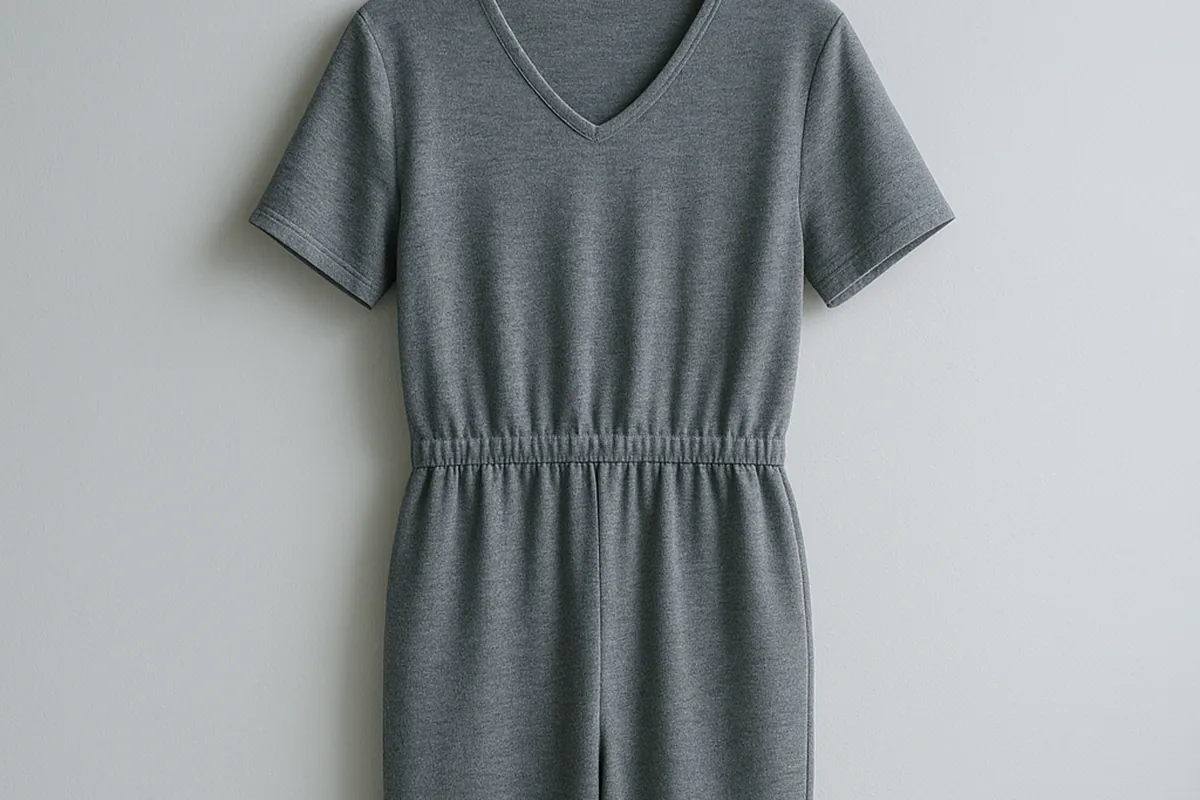
A baby grow should suit your baby’s current proportions and the way you plan to use it, rather than simply matching an age printed on a label. Compare the garment’s stated length range with your baby’s measured body length, then check how the cut sits at the shoulders, crotch and sleeves. Footed and footless designs offer different options for warmth and sock use. Prints and finishes matter too: the inside should feel smooth against skin, while care-label instructions help you judge how colours may behave in the wash.
Size and growth
UK baby clothes sizes are mostly based on body length in centimetres, so measure your baby from the crown of the head to the heel while they lie straight. The age on a label is only a rough guide: babies of the same age can differ considerably in length and build. As a general example, some brands associate 0–3 months with about 56–62 cm, but size ranges differ between makers, and the same label may not fit identically across brands.
When comparing baby sleepwear sizes, check the centimetre range on the label or product information rather than relying on a month-based label alone. A brand may use a single length figure, a range, or a different age bracket, so compare like with like and allow for the actual shape of the garment. If your baby is near the top of a stated range, check the next size’s measurements and cut before choosing.
Look for these signs that a baby grow has become too small:
- Curled feet: toes press against the ends of footed legs, or the fabric pulls tightly over the feet when your baby stretches.
- Tight shoulders: the seams draw across the shoulders or restrict arm movement when your baby is lying down or reaching.
- Tight crotch: the fabric pulls firmly between the legs, or the lower fastenings strain when the garment is closed.
- Sleeves too short: cuffs sit well above the wrists when the arms are relaxed, leaving the sleeves visibly stretched during movement.
- Garment rides up: the body shifts towards the chest when your baby moves, leaving the lower part pulled taut rather than resting comfortably.
To check fit, lay the garment flat and compare its length with a similar baby grow that currently fits; then try it on and look for pulling at the shoulders, crotch and sleeves. A suitable size allows ordinary movement without sagging or stretching at these points. If several signs appear together, choose the next size based on its centimetre range, not just the next age label.
Footed or footless
Footed baby grows have attached feet, keeping the lower legs covered without separate socks. They can be convenient in a cool room or when a baby is likely to kick off loose socks, but the feet need enough room: toes should not be pressed against the ends, and the fabric should not pull when the legs straighten. A footed design that is too long may also leave excess fabric around the feet.
Footless styles stop at the ankles, making them easier to pair with socks or bare feet as the room and outfit require. They offer more flexibility when a baby is between lengths, since the legs are not limited by a fixed foot section. Socks can slip off during active movement, though, and a footless outfit may feel less warm on the lower legs in a cool setting.
For naps or outings in cooler conditions, choose a footed style when its length fits well; for warmer rooms, changing temperatures or a baby nearing the top of a size range, a footless design gives more flexibility. Check the fit at the ankle and foot before deciding, and use socks with a footless grow when extra coverage is wanted.
Prints, colours and comfort
Turn a baby grow inside out before buying or dressing your baby and run a hand over the seams, printed areas and any labels. The inside should feel flat and soft, with no rough stitching or stiff patches pressing against the skin. Raised trims, bulky appliques or decorative seams at the neck and back can rub when a baby lies on them, so a smooth interior is usually the more comfortable choice.
Bright prints and dark colours can sometimes transfer dye, particularly during the first washes. Check the care label for specific washing instructions and any colourfastness guidance; follow those directions rather than assuming all colours can be washed together or at the same temperature. If a label states that colours may run, keep the garment separate as directed. A print should also remain smooth and flexible rather than forming a hard, raised surface inside the garment.
For everyday wear, choose a design with a soft inner surface, securely finished edges and no raised decoration where your baby rests. Care-label instructions give the clearest indication of how to maintain the colour and finish.
Baby grow questions
A baby grow can make everyday dressing simpler, but a few practical questions often come up when building a newborn wardrobe. Household routines, laundry frequency and the baby’s changing proportions all affect what works from week to week. Labels and size charts can also vary between clothing brands, so the age printed on a garment is only a starting point. These answers focus on common decisions families face when buying and using baby grows.
What is the difference between a baby grow and a sleepsuit?
In UK usage, a baby grow and a sleepsuit usually mean the same one-piece baby garment, rather than two distinct types of clothing. Babygrow is a common alternative spelling, while some people also use the broader term onesie; wording can vary between shops and families. Product descriptions may use sleepsuit for an item intended for bedtime, but the name alone does not establish a separate garment category. Check the listed design and size if you are comparing products, rather than assuming that a different label means a different style.
How many baby grows does a newborn need?
There is no official number of baby grows a newborn needs; the useful amount depends mainly on how often you do laundry and how often spills or nappy leaks mean a change. As a practical starting point, around six to eight gives a household washing every couple of days a small rotation, while daily washing may make fewer workable. Keep a few clean spares available if laundry is less frequent or changes are often needed, and adjust the number after you see your own routine.
Can a baby wear a baby grow in the daytime?
Yes, baby grows are suitable for daytime as well as night, and a simple style can work for time at home, play and a pram outing. Choose a lighter, easy-moving garment for active indoor periods and a warmer or more layered outfit when the room or weather is cooler. For daytime, consider details such as sleeve length, ease of changing and whether the design suits the planned activity; a soft, flexible style is often more practical for floor play than a heavily decorated outfit.
Why do babies outgrow baby grows so quickly?
Babies grow fastest in the first months, so the smallest baby grow sizes may fit only briefly, particularly when a baby is long for their age. Age labels are approximate; compare your baby’s length with the brand’s size chart, since sizing ranges and garment proportions differ between makers. Check fit regularly by looking at the shoulder-to-crotch length and leg length: if the body pulls across the fastenings or the legs no longer reach comfortably, it is time to try the next size rather than relying on the age printed on the label.
Do baby grows need washing before the first wear?
Washing new baby clothes before the first wear is commonly advised, but it is not a legal requirement. Check the care label first and follow its instructions, which take priority over general washing advice; labels may specify a temperature, cycle or drying method for that particular fabric. Use the recommended setting and make sure the garment is dry before dressing your baby, so you avoid putting on a damp item or one that has not been cared for as directed.
Topics
Baby grows.
Sleepsuits.
Jumpsuits.
Rompers.
Sizing.
Fabrics.
Washing.
Safety.
Occasions.
Guides.